NVIDIA DIN Deploy: Building High-Performance Local AI Apps with C++ and TensorRT RTX
NVIDIA 推出 DIN Deploy:用 C++ 與 TensorRT RTX 打造高效能地端 AI 應用程式
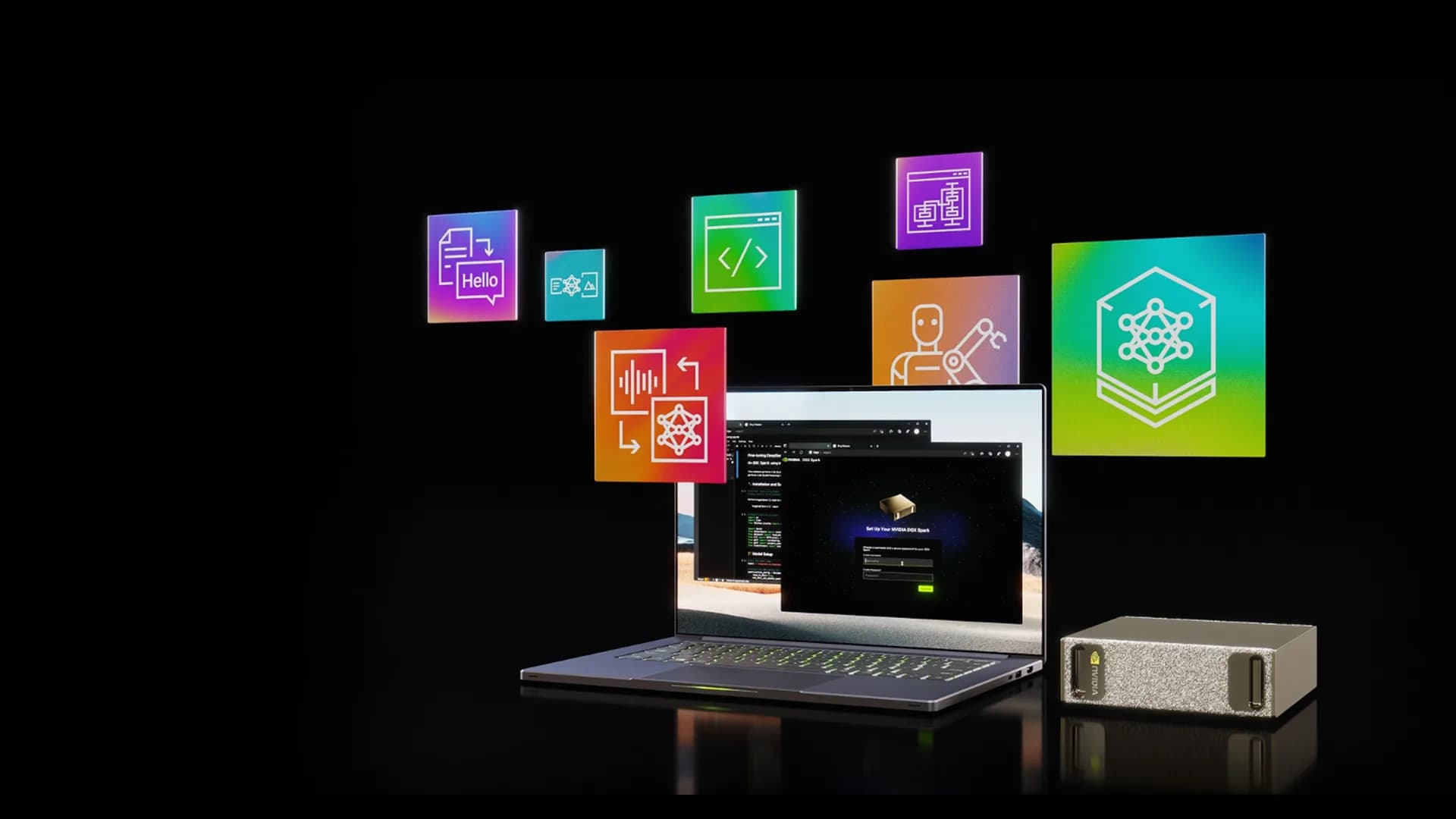
DIN Deploy is an open-source collection of C++ samples designed to streamline local AI deployment. By combining ONNX Runtime with NVIDIA's TensorRT RTX, it bridges the gap between model training and native hardware-accelerated execution. The project features templates for offline/streaming speech recognition (Whisper, Parakeet), image segmentation (SAM 2.1), and local image generation (FLUX.2), offering developers ready-to-use pathways for high-performance Windows and Linux desktop applications.
Key points
Decoupled Two-Stage Architecture
Uses a Python exporter to convert model checkpoints to ONNX, keeping model preparation separate from native C++ execution logic.
RTX Hardware Acceleration
Bridges ONNX Runtime with TensorRT RTX execution providers, unlocking GPU power without requiring vendor-specific APIs in shared code.
Multimodal Model Support
Comes with out-of-the-box support for OpenAI Whisper, NVIDIA Parakeet ASR, Meta SAM 2.1 interactive masking, and FLUX.2 image generation.
Graphics Interop & Quantization
Features graphics interop (Vulkan/DirectX) for FLUX.2 and demonstrates post-training quantization (PTQ) to boost speed with drop-in ONNX replacements.
Why it matters
Deploying AI models locally often suffers from platform fragmentation and setup friction. DIN Deploy offers C++ developers a standardized, highly-optimized template that bridges cross-platform ONNX Runtime and NVIDIA RTX GPUs. By enabling significant speedups with minimal custom code, it accelerates the integration of high-performance AI features directly into native desktop applications, skipping complex model-specific runtimes.
Who it affects
- AI Developer
- Product Manager
- Content Creator
How to use it
- 1Low-Latency Speech-to-Text: Build real-time transcription or voice control features in desktop apps using Whisper or Nemotron.
- 2Interactive Media Editing: Integrate SAM 2.1 into local design tools to provide instant, high-precision object segmentation and tracking.
- 3Privacy-Focused Image Generation: Run quantized FLUX.2 locally to generate high-quality images from text prompts without relying on cloud services.
Limitations & caveats
- Peak performance gains are highly hardware-dependent, requiring compatible NVIDIA RTX GPUs and TensorRT execution environments.
- Certain advanced features carry OS limitations; for instance, DirectX graphics interop is exclusive to Windows platforms.
Related
Designing AI-Native Software: Lessons from NVIDIA TensorRT Model Connect
打造 AI 原生專案:NVIDIA TensorRT Model Connect 的開發啟示
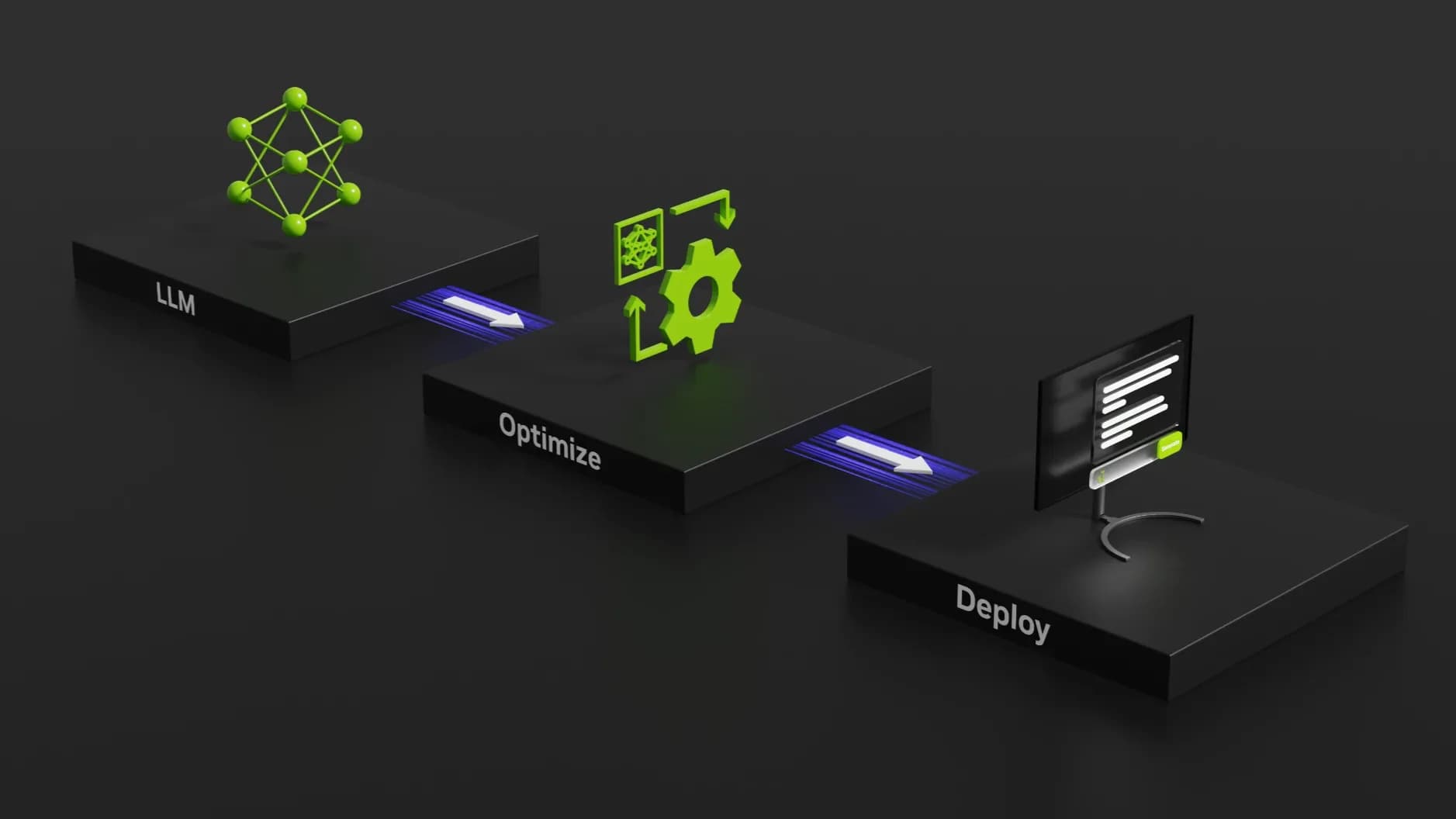
NVIDIA shares architectural insights from building TensorRT Model Connect, demonstrating how to design software around coding agents using model-family isolation, reversible changes, and automated validation.
Topology-Aware Workload Scheduling with NVIDIA Topograph
NVIDIA Topograph:實現拓撲感知排程,徹底釋放 AI 工廠 GPU 效能
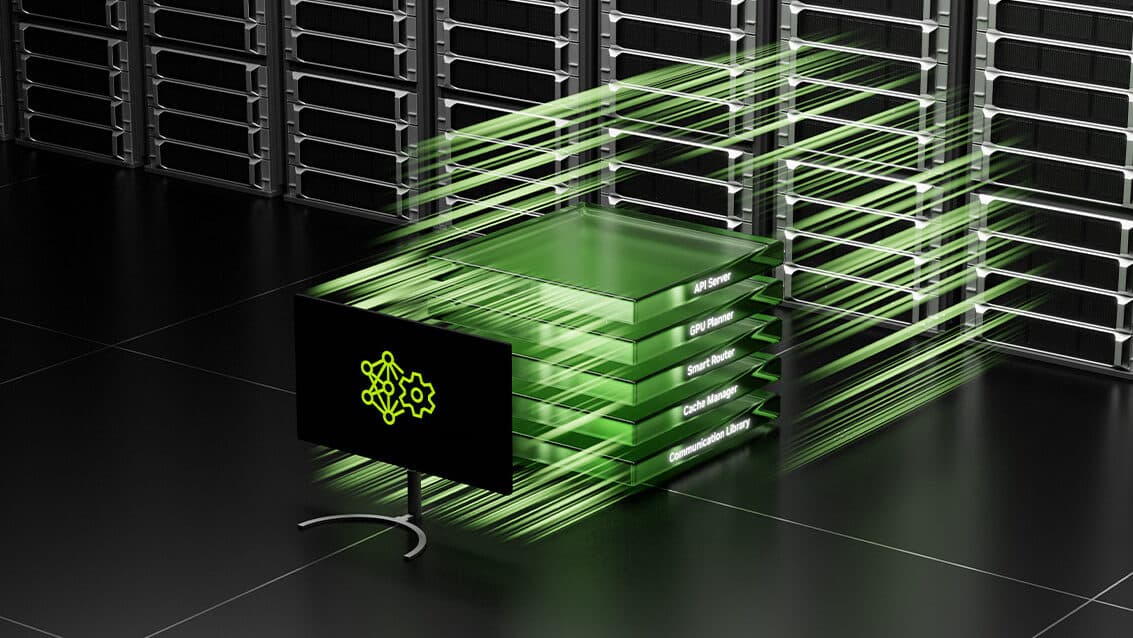
NVIDIA Topograph is an open-source toolkit that automates cluster topology discovery and translates it for Kubernetes and Slurm schedulers to optimize GPU workload placement and eliminate network bottlenecks.
Hugging Face Launches @huggingface/kernels: Over 200 Optimized WebGPU Kernels for Local Web AI
Hugging Face 推出 @huggingface/kernels:為網頁端在地 AI 提供超過 200 個極速 WebGPU 核心
Hugging Face released @huggingface/kernels and Fleet, a browser benchmarking suite, offering 207 optimized WebGPU kernels that outperform ONNX Runtime Web by 2.57x on Apple M4 GPUs.