NVIDIA cuPhoton: Accelerating End-to-End Scientific Image Analysis on GPUs
NVIDIA cuPhoton 開源工具套件:加速天文與科學影像端到端 GPU 分析
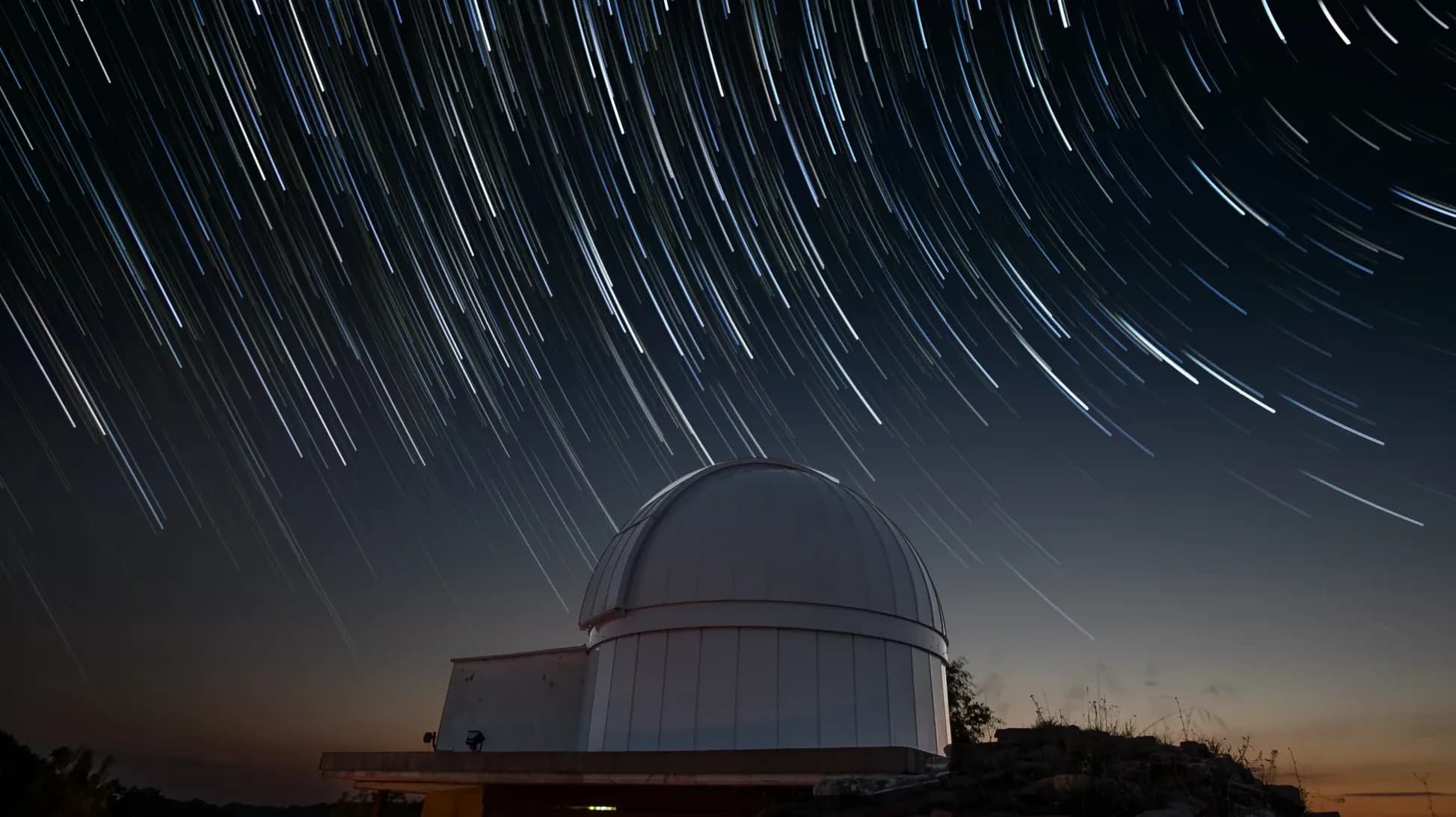
Scientific instruments generate data faster than traditional CPUs can process. NVIDIA cuPhoton addresses this bottleneck by keeping image data on the GPU from sensor read through to the final decision. On large workloads, cuPhoton achieves up to 14,900x faster image loading and 14,550x faster signal processing, condensing nine months of computational data analysis into just four hours.
Key points
GPU-Native End-to-End Pipeline
Keeps image data entirely on the GPU from raw sensor ingestion through alignment, subtraction, fitting, and classification, removing PCIe transfer lags.
Extreme Acceleration Factors
Accelerates data loading up to 14,900x and signal processing up to 14,550x under representative massive workloads, converting months of work to minutes.
Specialized Scientific Modules
Combines xDataReader, xRep, xPois, xFit, and xScan to handle FITS loading, coordinate reprojection, PSF-matching, and candidate visual auditing.
Multi-Node Scalability
Scales across multi-GPU and multi-node Grace Blackwell and Vera Rubin systems to keep pace with petabyte-scale observatory campaigns.
How it works
Why it matters
Modern observatories generate gigapixels of image data every few seconds, but traditional CPU pipelines take months to yield insights. cuPhoton collapses this processing latency to seconds, enabling researchers to perform real-time, interactive analysis on cosmic transients and immediately direct follow-up resources, matching the speed of next-generation physical instruments.
Who it affects
- AI Researcher
- AI Developer
- Enterprise Leader
How to use it
- 1Astronomical image reprojection and high-cadence transient event filtering
- 2Real-time observation data stream analysis for massive telescopes like the Rubin Observatory
- 3Ultra-fast signal resolution for time-domain laser and high-throughput X-ray detectors
Limitations & caveats
- Currently limited to Linux operating systems, specific Python versions (3.12–3.14), and CUDA 13 environments.
- The xDataReader module does not support Rice compression or dithered floating-point quantization.
Related
Liquid AI Unveils open d1: Ultra-Fast Edge Decision Models with Single-Pass Multimodal Inference
Liquid AI 推出 open d1 邊緣決策模型:無需生成 Token、單次前向傳播即刻做出多模態決策
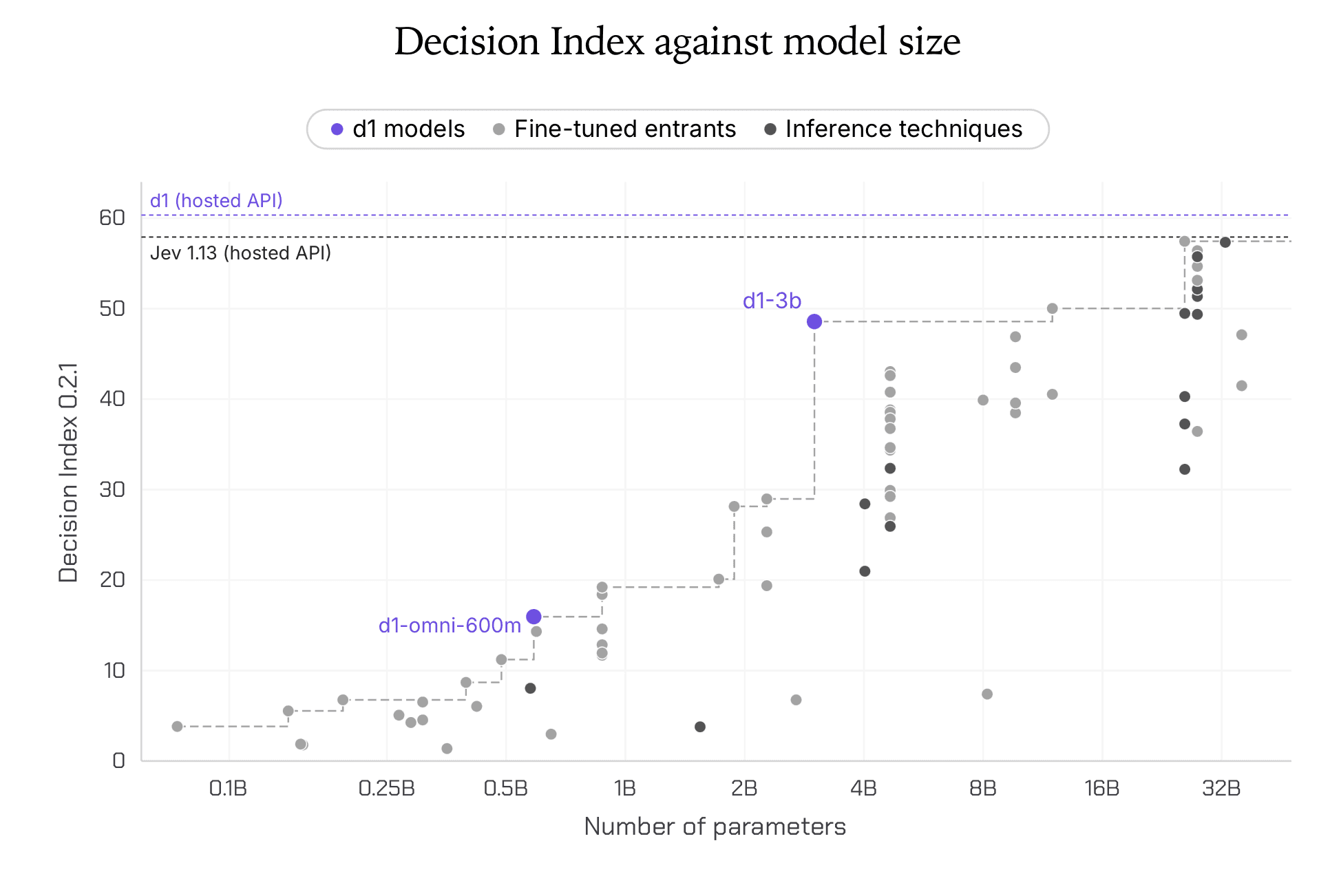
Liquid AI has released open d1 decision models designed for the edge, making structured decisions in a single forward pass without generating tokens, supporting text, images, and audio.
NVIDIA DIN Deploy: Building High-Performance Local AI Apps with C++ and TensorRT RTX
NVIDIA 推出 DIN Deploy:用 C++ 與 TensorRT RTX 打造高效能地端 AI 應用程式
NVIDIA's open-source DIN Deploy combines ONNX Runtime and TensorRT RTX, providing C++ samples to help developers run ASR, segmentation, and image generation models locally with hardware acceleration on Windows and Linux.
Designing AI-Native Software: Lessons from NVIDIA TensorRT Model Connect
打造 AI 原生專案:NVIDIA TensorRT Model Connect 的開發啟示
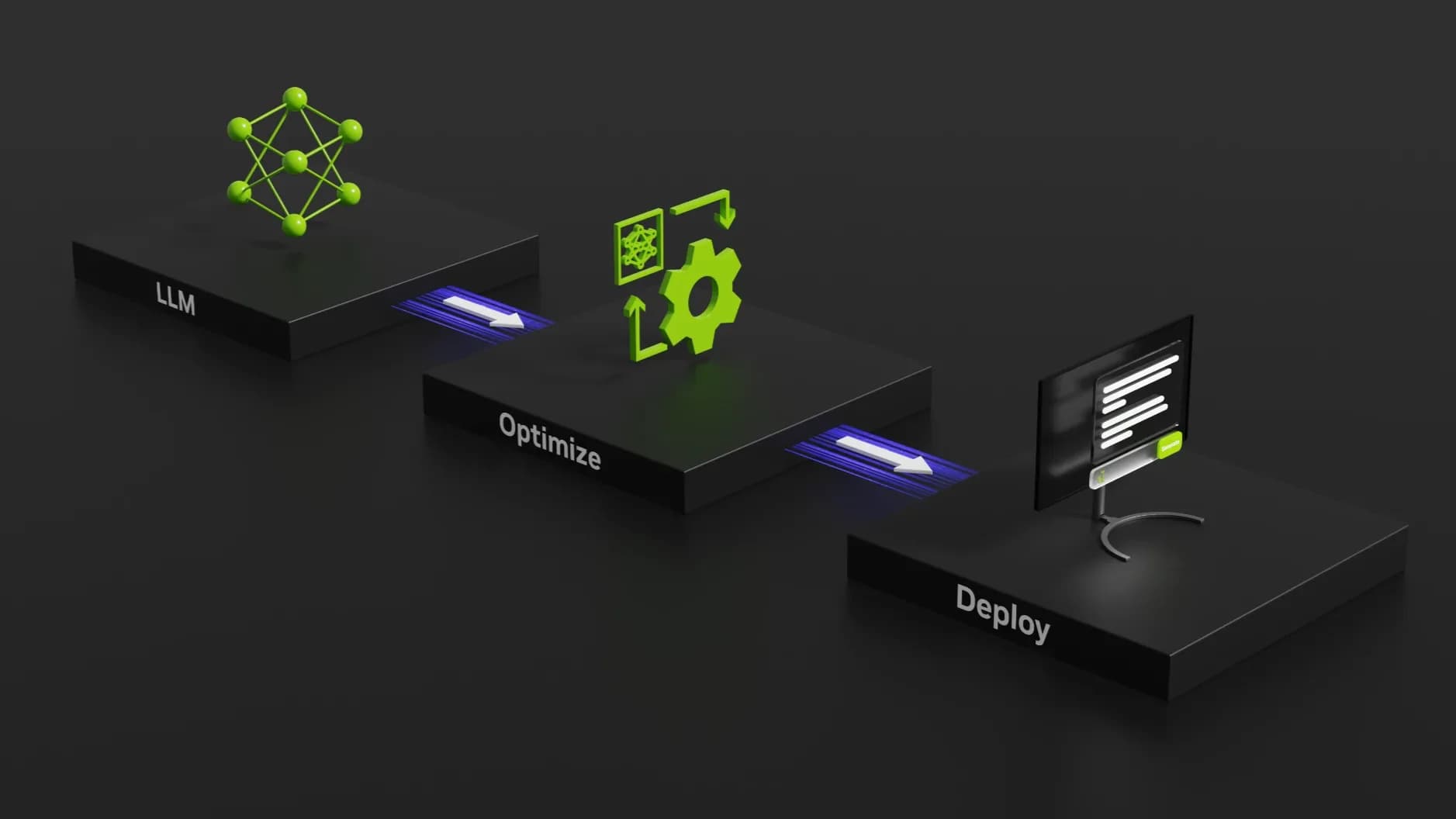
NVIDIA shares architectural insights from building TensorRT Model Connect, demonstrating how to design software around coding agents using model-family isolation, reversible changes, and automated validation.